I am listening to the podcast 372 Pages We’ll Never Get Back. In episode 22-29 they discuss Tekwar.

372 Pages We’ll Never Get Back 
Real or fanfic
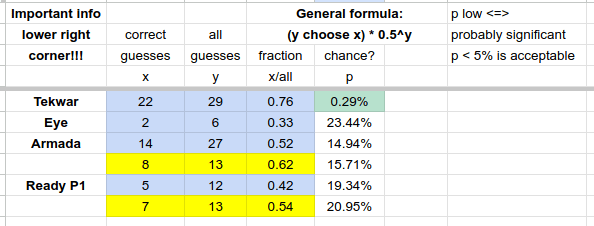
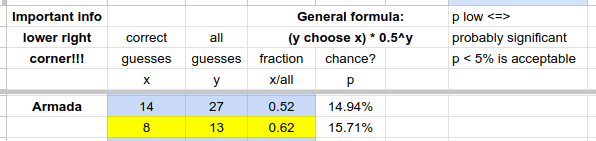
The spreadsheet ! For the first time, the guessing skill was significantly better than flipping a coin! In 3 out of 6 episodes, all guesses were correct! Magnificent!
Summary of important advice
Consistency, continuity.
- Jake has no idea how Gomez got in / Jake (from his own perspective) gave him access recently.
- Anachronistic speech.
- It was Beth. But it wasn’t Beth.
- Jake hates androids. Jake finds android Beth beautiful. Jake calls her Beth.
- Complicated plan to get Jake where he was going anyway, almost killing him on the way.
- The cynical kid is suddenly naive and trusting.
- The hair of Gomez isn’t alive anymore. On the other hand, now he sounds like Swiers.
Be exciting. Have stakes.
- Sitting around and talking about people not there. Not action. Boring.
- First sentence in chapter: Jake woke up. Non-actiony.
- Mentioning a super interesting court case in passing only.
- 1st sentence: The aircar started to sputter. Flat.
- No stakes. Nobody’s using tek.
Flow. Chekhov’s gun.
- Suddenly a new conversation begins.
- Characters described in detail, but only appearing once.
- Hokori and Sands have been mentioned so many times and still haven’t appeared.
- We hear almost nothing about the tek war phenomenon.
- And then the big bad dies within seconds.
- Checkov’s password not used.
Originality.
- Stereotypical Mexico.
- A lot of crusty detectives.
Realism. Being human.
- Punishment = suspended animation? Rehabilitation?
- Print of various shapes. Triangular?
- Apparently the robot searched for information for 14 seconds and THEN said something. That’s a long time. And very specific.
- Odd dialogue to mention the year.
- They were ALWAYS razzing him? Because his father was THIN?
- Surprising your wife is a good idea.
- Noticing what’s usually there.
- In the future all areas will be sectors.
- A British robot in California.
- Jack is talking to himself, a lot.
- Noises from Jack’s own apartment? Draw a gun! Oh wait, it was just a vacuum starting at a weird time!
- Jack doesn’t understand the concept of recordings.
- Tapping out a very, very specific fantasy.
- Gomez’ hair is alive.
- His hair seemed to bounce.
- A colleague of Jake could clear his name, but wanted money first.
- Pointing upwards with the thumb.
- As you know, Bob. Persons telling each other what they already know. Instead of letting the narrator tell it.
- The term kamikaze isn’t well-known anymore.
- Slender, but pretty.
- 1940s movies are still well-known. Girl Friday.
- For 3 minutes the house is disappearing, and they just stand there.
- Do people leave forwarding addresses at hotels?
- Beth must be super hot. Universal agreement.
- Jake happens to know how to fix androids.
- Jake is really hurt by Beth sassing him.
- Both chrome and very life-like androids are available.
- Warbride whips up a mood and then stops.
- So many mechanical arms.
Variety.
- Robot printer, happens a lot.
- Repetition. All laughs sound weird.
- Stereotypes. Cab driver.
- Repetition. At what age did he marry?
- Repetition. The state of Chihuahua. The exact center/middle.
- Constant reminders we’re in Mexico.
- Keep repeating that Jake’s foot is booted.
Details: not too many, not too few.
- Chrome everything. Do we need to know the chrome man has a chrome brain? Keep reminding us.
- Some sort of smuggler. Assorted. Vague, shouldn’t have been mentioned in the first place.
- Apparently the robot searched for information for 14 seconds and THEN said something. That’s a long time. And very specific.
- Unsubtling: that coffin was where he slept.
- Wife’s full name, too much.
- Suicide committed suicide. Stop here?
- Including that the correct button was pushed.
- Noting a time period with a weird length and it wasn’t needed.
- She is naked. Also her shoulders are naked.
- If the wall had been there, he would have slammed into it.
POV. Tone.
- Gross. The hero craps his pants.
- Name, Hambrick, distracting, funny.
- Noir isn’t just talking about the darkness all the time.
- … said the robot pimp disdainfully.
Use words and phrases correctly.
- Calling something a sky or air (vehicle), with no explanation or significance.
- Something slightly resembles a laugh. What does it actually sound like?
- Lank, not lanky.
- Plas everything. Sounds futury, dumb.
- Pronunciation of lazgun?
- Where she stores her clothes is a habit.
- Shrugging one shoulder.
- Reinventing pleather.
- A lot of whilst.
- Italicized words are at this point fully integrated words from Spanish.
- Bad sentence structure. Adding amigo to a sentence in the wrong place. “It’s, amigo, a possibility worth mentioning.” “Until he showed up last night, I wasn’t even certain he hadn’t decided I was as crooked as everyone else thinks I am.”
- A quiet smile. They can be loud?
- Just adding moonbase at the beginning.
- Age = math exercise. ‘Jake said, “Hey, fifty-six isn’t that old. I’m little more than a half dozen years from there myself, Gomez.” ‘
- Xmas.
- A sentence changing pov and tense more than once.
- Not being consistent with whether plas-whatever is 1 or 2 words or hyphenated.
- Name, Hambrick, distracting, funny.
- Yes, but what color is licorice?
- Renaming cab to landcab.
- A quirky alley.
- Commence (used wrong), start, begin.
- So many commas.
- Bulbs of light.
- Going back and forth between human and cyborg.
- Place dialogue tag in the middle. “That sure isn’t,” complained Swiers, “going to help our case”.
- Using Warbride and Elana interchangeably.
- Passwords should be dramatic?
- Using tek to relive the path (as is or better) and create a better present. What else is there?
- Chinese in one sentence, Japanese in the next.
Other stuff
- Racism.
- Racist against robots AND Mexicans.
Ep. 22
Ranking.
- Eye of Argon (most fun)
- Cline
Ep. 23, ch. 1-7
Don’t do this
- Vehicles are sky or air. There’s a difference? What? Does it matter?
- Chrome everything. Do we need to know the chrome man has a chrome brain? Keep reminding us.
- Some sort of smuggler. Assorted. Vague, shouldn’t have been mentioned in the first place.
- Something slightly resembles a laugh. What does it actually sound like?
- Robot printer, happens a lot.
- Lank, not lanky.
- Punishment = suspended animation? Rehabilitation?
- Print of various shapes. Triangular?
- Apparently the robot searched for information for 14 seconds and THEN said something. That’s a long time. And very specific.
- Gross. The hero craps his pants.
- Unsubtling: that coffin was where he slept.
- Repetition. All laughs sound weird.
- Odd dialogue to mention the year.
- Plas everything. Sounds futury, dumb.
- Pronunciation of lazgun?
- They were ALWAYS razzing him? Because his father was THIN?
- Stereotypes. Cab driver.
- Racism.
- Surprising your wife is a good idea.
- Repetition. At what age did he marry?
- Noticing what’s usually there.
- In the future all areas will be sectors.
- A British robot in California.
- Jack is talking to himself, a lot.
- Noises from Jack’s own apartment? Draw a gun! Oh wait, it was just a vacuum starting at a weird time!
- Where she stores her clothes is a habit.
- Wife’s full name, too much.
- Shrugging one shoulder.
- Suddenly a new conversation begins.
- Suicide committed suicide. Stop here?
- Jack doesn’t understand the concept of recordings.
- Tapping out a very, very specific fantasy.
- Reinventing pleather.
Running gags
- Clinean.
- Ogden.
Oops.
- Odgen.
Real or fanfic, 44:22
- Mike guessing.
- Fanfic ✔️ Real ✔️ Fanfic ✔️ Fanfic ✔️
Ep. 24, ch. 8-11
Don’t do this
- Sitting around and talking about people not there. Not action. Boring.
- Jake has no idea how Gomez got in / Jake (from his own perspective) gave him access recently.
- A lot of whilst.
- Italicized words are at this point fully integrated words from Spanish.
- Gomez’ hair is alive.
- His hair seemed to bounce.
- A colleague of Jake could clear his name, but wanted money first.
- Bad sentence structure. Adding amigo to a sentence in the wrong place. “It’s, amigo, a possibility worth mentioning.” “Until he showed up last night, I wasn’t even certain he hadn’t decided I was as crooked as everyone else thinks I am.”
- Pointing upwards with the thumb.
- As you know, Bob. Persons telling each other what they already know. Instead of letting the narrator tell it.
- A quiet smile. They can be loud?
- Just adding moonbase at the beginning.
- Age = math exercise. ‘Jake said, “Hey, fifty-six isn’t that old. I’m little more than a half dozen years from there myself, Gomez.” ‘
- Xmas.
- First sentence in chapter: Jake woke up. Non-actiony.
- Including that the correct button was pushed.
- A sentence changing pov and tense more than once.
- Not being consistent with whether plas-whatever is 1 or 2 words or hyphenated.
- Name, Hambrick, distracting, funny.
- The term kamikaze isn’t well-known anymore.
- Yes, but what color is licorice?
- Slender, but pretty.
- 1940s movies are still well-known. Girl Friday.
Running gags
- Long pauses in dialogue.
- Seemed to.
- Talking to himself.
- Settle down.
- Nobody laughs normally.
- Fuzzy.
Oops.
- Self-correction is actually fine.
Real or fanfic, 55:35
- Mike guessing
- Fanfic ❎ Fanfic ✔️ Real ❎ Real ✔️ Fanfic ✔️
Ep. 25, ch. 12-15
Don’t do this
- Characters described in detail, but only appearing once.
- Noir isn’t just talking about the darkness all the time.
- Mentioning a super interesting court case in passing only.
- For 3 minutes the house is disappearing, and they just stand there.
- Renaming cab to landcab.
- Stereotypical Mexico.
- Racist against robots AND Mexicans.
- A lot of crusty detectives.
- Do people leave forwarding addresses at hotels?
- A quirky alley.
- Beth must be super hot. Universal agreement.
- Commence (used wrong), start, begin.
Running gags
- Meetings.
- Discreet openings.
- Doing nothing for minutes.
- Living hair.
Oops.
- Missed the explanation for which parts of the house are real.
- Cyborg and robot, not the same.
Real or fanfic, 58:10
- Mike guessing
- Fanfic ✔️ Fanfic ❎ Fanfic ❎ Real ❎ Fanfic ✔️
Ep. 26, ch. 16-21
Don’t do this
- 1st sentence: The aircar started to sputter. Flat.
- Anachronistic speech.
- Noting a time period with a weird length and it wasn’t needed.
- It was Beth. But it wasn’t Beth.
- Jake hates androids. Jake finds android Beth beautiful. Jake calls her Beth.
- Jake happens to know how to fix androids.
- She is naked. Also her shoulders are naked.
- So many commas.
- Repetition. The state of Chihuahua. The exact center/middle.
- Bulbs of light.
- Jake is really hurt by Beth sassing him.
- Constant reminders we’re in Mexico.
- Hokori and Sands have been mentioned so many times and still haven’t appeared.
Running gags
- Hot daughter.
- Settle down.
- Discreet openings.
- Ogden.
- Shatlard.
- A variety of classic 80s dance moves.
Oops.
- The 1st time a word was shortened was not. The actual 1st was pop(ulation).
- Taking charisma for beauty?
- Talking about the programming of an android, when she’s simply an upload of the real Beth and should talk like her.
- Odgen.
- Deus ex knacks.
Real or fanfic, 39:34
- Mike guessing
- Fanfic ✔️ Real ✔️ Fanfic ✔️ Real ✔️ Fanfic ✔️
Ep. 27, ch. 22-26
Don’t do this
- Complicated plan to get Jake where he was going anyway, almost killing him on the way.
- Keep repeating that Jake’s foot is booted.
- Going back and forth between human and cyborg.
- Both chrome and very life-like androids are available.
- Place dialogue tag in the middle. “That sure isn’t,” complained Swiers, “going to help our case”.
Running gags
- Odgen.
- Shatlard.
Real or fanfic, 41:47
- Mike guessing
- Real ✔️ Fanfic ✔️ Fanfic ✔️ Fanfic ✔️ Fanfic ✔️
Ep. 28, ch. 27-30
Don’t do this
- Warbride whips up a mood and then stops.
- So many mechanical arms.
- Using Warbride and Elana interchangeably.
- No stakes. Nobody’s using tek.
- Passwords should be dramatic?
- We hear almost nothing about the tek war phenomenon.
- Using tek to relive the path (as is or better) and create a better present. What else is there?
Running gags
- The sweating fat man.
- The exact center.
- Dialogue tag in the middle.
- Odgen.
- Lag.
- John Candy. Non sequitur.
Oops.
- She’s part cyborg.
Real or fanfic, 49:17
- Mike guessing
- Fanfic ❎ Fanfic ✔️ Real ❎ Fanfic ✔️ Real ✔️
Ep. 29, ch. 31-end
Don’t do this
- The cynical kid is suddenly naive and trusting.
- … said the robot pimp disdainfully.
- Chinese in one sentence, Japanese in the next.
- If the wall had been there, he would have slammed into it.
- And then the big bad dies within seconds.
- The hair of Gomez isn’t alive anymore. On the other hand, now he sounds like Swiers.
- Checkov’s password not used.
Running gags
- Settle down.
- Curing cancer in 1 sentence.
Oops.
- Not knowing the expression “tumble to”. Or keen as a verb.
A fanfic earlier was a rewrite of bits from the book. 😦
Quality: Between Cline and Theis.
- Eye of Argon (most fun)
- Tekwar
- Cline


















 Stuff from ommadawn.dk (Lise Andreasen)

