Er der dog aldrig nogen, der vil kigge på Hugo-kortromanerne? 😉

Det var dog jammerligt. Hm. Det må blive brudene.
Er der dog aldrig nogen, der vil kigge på Hugo-kortromanerne? 😉
Det var dog jammerligt. Hm. Det må blive brudene.
Anmeldelse af What Feasts at Night, af #TKingfisher. Kortroman. 2024. Hugo-finalist.
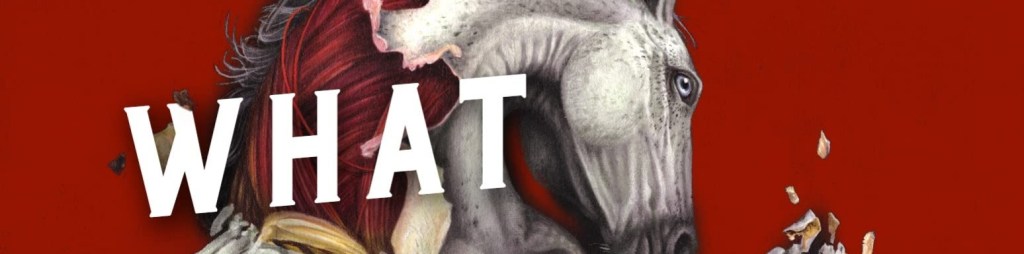
Skitse: Easton er primært soldat, men de har også arvet en hytte i skoven, hjemme i Gallacien, der nu skal lejes ud til en britisk veninde. Det er lidt mystisk, hvorfor ham, der plejer at passe hytten, ikke har forberedt den. Vi er før år 1900.
Er det science fiction? Njej. Der er noget snak om, at nedenunder overtro kan der gemme sig fænomener, der kan forstås og forklares, men … nej. Fantasy/horror.
Temaer: Det fylder meget, det der med at have været soldat.
Så skal vi jo også have opklaret, hvad der er med den der hytte. Der er en overtro om et væsen som en slags mareridt, som kan stjæle ens åndedræt. Så er der noget med kulde. Og stilhed.
Så er der stedord af mange slags. Easton har selv et “sæt”, der blev taget i brug, da de var 14. Præsten har selvfølgelig dem, professionen medfører. Osv.
Så er der anmassende bemærkninger, der vist knytter sig til en tidligere historie i den her serie. Madeline Usher vil virkelig gerne være med her også. Kluntet.
Citat: “I sometimes think the fundamental disconnect with civilians is that they think a war is an event, something neatly bounded on either end by dates. What anyone who’s lived through one can tell you is that it’s actually a place. You’re there and then you leave, but places don’t stop existing just because you aren’t looking at them.”
Er det godt? Hm. Nej. Der er bl.a. en enke, der er frygtelig irriterende. 👽👽☠️
Anmeldelse af The Tusks of Extinction, af #RayNayler. Kortroman. 2024. Hugo-finalist.

Skitse: Damira følger et spor af blod med sin mammutsnabel. Damira besøger et sted med døde elefanter og er klar med riflen, hvis krybskytterne stadig er der.
Er det science fiction? Ja. Der er en god forklaring på det der med Damira.
Temaer: Vi følger primært en gruppe mammutter (de er blevet genskabt), en sjælden “lovlig” jæger og en gruppe krybskytter. Krybskytteri er forkert, okay? Men man gør jo, hvad man kan, for at stoppe eller begrænse det.
Er det godt? Mja. Fungerer okay. Der var dog en kliche hen mod slutningen. Og effekten af “hvad er der med Damira?” holdt ikke hele historien. 👽👽☠️
Anmeldelse af The Practice, the Horizon, and the Chain, af #SofiaSamatar. Kortroman. 2024. Hugo-finalist.

Skitse: I midten af rumskibet er lastrummet, hvor man arbejder under brutale forhold og har en kæde på det ene ben. Højere oppe (eller ude ved kanten) er der en anden gruppe, dem med en lille fodlænke. Og så er der en gruppe, der slet ikke er en gruppe, men navngivne individer. Kvinden har fodlænke, og hendes far havde kæde. Måske er det derfor, hun prøver at få en dygtig dreng op fra lastrummet, så han kan få et bedre liv.
Er det science fiction? Ja. Omend med en slags psi-kræfter.
Temaer: Oppe og nede, kæder og frihed, klasser, kapitalisme osv.
En profet. Kommunikation via fodlænkerne. Telepati? Og det danner nye kæder og netværk. Ligesom der er bånd til fortiden.
Er det godt? Hm. Jeg kunne ikke helt få det til at give mening. Hvad er formålet med rumskib? Transport? Minedrift? 👽👽☠️
Anmeldelse af The Butcher of the Forest, af #PremeeMohamed. Kortroman. 2024. Hugo-finalist.

Skitse: En tyran hersker over et stort område, men bor lige i nærheden af fortælleren, Veris. En alt for tidlig morgen bliver hun hentet. Tyrannens 2 børn er gået ind i den magiske skov, og hun er den eneste, der (måske) kan hente dem ud igen.
Er det science fiction? Nix. Fantasy.
Temaer: Der er kun ganske få regler i skoven, så rigtig meget handler om mavefornemmelse. For den sags skyld er der ikke en tydelig grænse mellem den magiske del af skoven og resten.
Veris prøver at passe på, at hun tænker “rigtigt”. Dels fordi det er sikrere, dels fordi “forkerte” tanker kan være et symptom på magisk indflydelse.
Er det godt? Hm. I sidste ende lander vi i midten. 👽👽☠️
This week the #puzzle is: Can You Hack #Bowling? #minimum #maximum #permutations
| If you knock down 100 pins over the course of a game [of bowling], you are guaranteed to have a score that’s at least 100. But what’s the minimum total number of pins you need to knock down such that you can attain a score of at least 100? |
And for extra credit:
| You and your opponent each play a single game in which you both knock down the same number of pins. However, your scores are quite different. |
| Your opponent remarks, “Given only the information that we knocked down the same number of pins in our two games, there’s no way the difference between our scores could have been any greater!” |
| What is this difference between your two scores? |

Highlight to reveal (possibly incorrect) solution:
Some knowledge and some assumptions:
| 10 | 10 | 10 | 10 | 4/0 |
| 10+10+10=30 | 30+10+10+10=60 | 60+10+10+4=84 | 84+10+4+0=98 | 98+4+0=102 |
| 0/0 | 0/0 | 0/0 | 0/0 | 0/0 |
| 102+0+0=102 | etc. |
And for extra credit:
Again, some knowledge and some assumptions.
| 0/10 | 0/10 | 0/10 | 0/4 | 0/0 |
| 0+10+0=10 | 10+0+10+0=20 | 20+0+10+0=30 | 30+0+4=34 | 34+0+0=34 |
| 0/0 | 0/0 | 0/0 | 0/0 | 0/0 |
| etc. |
| 0/10 | 0/10 | 0/10 | 0/10 | 0/10 | |
| 0+10+0=10 | 10+0+10+0=20 | 20+0+10+0=30 | 30+0+10+0=40 | 40+0+10+0=50 |
| 0/10 | 0/10 | 0/10 | 0/10 | 0/10 | 9 |
| 50+0+10+0=60 | 60+0+10+0=70 | 70+0+10+0=80 | 80+0+10+0=90 | 90+0+10+9=109 |
| 0/10 | 0/10 | 0/10 | 0/10 | 0/10 | 0/10 |
| 0+10+0=10 | 10+0+10+0=20 | 20+0+10+0=30 | 30+0+10+0=40 | 40+0+10+0=50 | 50+0+10+0=60 |
| 0/10 | 0/10 | 0/9 | 10 | 10 | 2 |
| 60+0+10+0=70 | 70+0+10+0=80 | 80+0+9=89 | 89+10+10+2=111 |
| 0/10 | 0/10 | 0/10 | 0/10 | 0/10 | 0/10 |
| 0+10+0=10 | 10+0+10+0=20 | 20+0+10+0=30 | 30+0+10+0=40 | 40+0+10+0=50 | 50+0+10+0=60 |
| 0/10 | 0/10 | 0/9 | 10 | 10 | 10 |
| 60+0+10+0=70 | 70+0+10+0=80 | 80+0+9=89 | 89+10+10+10=119 |
| 0/10 | 0/10 | 0/10 | 0/10 | 0/10 | 0/10 |
| 0+10+0=10 | 10+0+10+0=20 | 20+0+10+0=30 | 30+0+10+0=40 | 40+0+10+0=50 | 50+0+10+0=60 |
| 0/10 | 0/10 | 0/10 | 10 | 10 | 10 |
| 60+0+10+0=70 | 70+0+10+0=80 | 80+0+10+10=100 | 100+10+10+10=130 |
| 10 | 10 | 10 | 10 | 10 |
| 10+10+10=30 | 30+10+10+10=60 | 60+10+10+10=90 | … 120 | … 150 |
| 10 | 10 | 10 | 7/0 | 0/0 |
| … 180 | 180+10+10+7=207 | 207+10+7+0=224 | 224+7+0=231 | 231+0+0=231 |
| 10 | 10 | 10 | 10 | 10 | |
| 10+10+10=30 | 30+10+10+10=60 | 60+10+10+10=90 | … 120 | … 150 |
| 10 | 10 | 10 | 10 | 10 | 3/0 |
| … 180 | 180+10+10+10=210 | 210+10+10+10=240 | 240+10+10+3=263 | 263+10++3+0=276 |
| 10 | 10 | 10 | 10 | 10 | 10 |
| 10+10+10=30 | 30+10+10+10=60 | 60+10+10+10=90 | … 120 | … 150 | … 180 |
| 10 | 10 | 10 | 10 | 10 | 1 |
| 180+10+10+10=210 | 210+10+10+10=240 | 240+10+10+10=270 | 270+10++10+1=291 |
| Pins | Max | Min | Diff |
| 100 | 270 | 100 | 170 |
| 101 | 272 | 101 | 171 |
| 102 | 274 | 102 | 172 |
| … | |||
| 110 | 290 | 110 | 180 |
| 111 | 291 | 111 | 180 |
| … | |||
| 119 | 299 | 119 | 180 |
| 120 | 300 | 130 | 170 |
| Pins | Max | Min | Diff |
| 10f-m | 30(f-1)-3m | 10f-m | 20f-30-2m |
| … | |||
| 10f-1 | 30(f-1)-1*3 | 10f-1 | 20f-30-2*1 |
| 10f | 30(f-1) | 10f | 20f-30 |
| 10f+1 | 30(f-1)+2*1 | 10f+1 | 20f-30+1 |
| 10f+2 | 30(f-1)+2*2 | 10f+2 | 20f-30+2 |
| … | |||
| 10f+10 | 30(f-1)+10*2 | 10f+10 | 20f-30+10 |
| 10f+10+1 | 30(f-1)+10*2+1 | 10f+10+1 | 20f-30+10 |
| … | |||
| 10f+10+9 | 30(f-1)+10*2+9 | 10f+10+9 | 20f-30+10 |
| 10f+10+10 | 30(f-1)+10*2+10 | 10f+10+10 | 20f-30 |
Anmeldelse af The Brides of High Hill, af #NghiVo. Kortroman. 2024. Hugo-finalist.

Skitse: Chih er stadig på farten for at indsamle fortællinger. Lige nu har de dog slået følge med et selskab, der er på vej til forhandlinger. Hvis alt går godt, så skal familiens datter giftes med en højtstående mand.
Er det science fiction? Nej, fantasy.
Temaer: Vi får med det samme at vide, at alt er historier. Chih er hele tiden på jagt efter nye historier. Omend det hindrer arbejdet lidt, at deres ledsager, en fugl med perfekt hukommelse, ikke er der. Både “alt er historier” og fuglen spiller store roller.
Der er noget på færde. Der er noget lusk med den potentielle gom. Der er i det hele taget lusk. Spørgsmålet er så, hvor hårdt skal luskebukse straffes?
Er det godt? Mja. Jeg blev overrasket over slutningen, måske specielt fordi jeg troede, vi var på vej over i en kliche. Men, æh, nej. Ikke topkarakter. 👽👽☠️
Anmeldelse af Navigational Entanglements, af #AlietteDeBodard. Kortroman. 2024. Hugo-finalist.
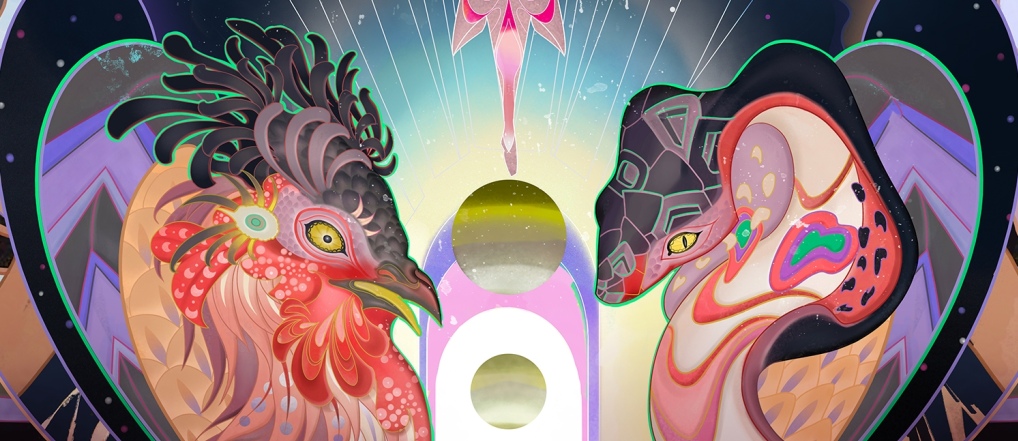
Skitse: Rumfart bliver bedrevet af 4 klaner, der står for navigationen, og så en kejserlig klan. Navigation er nødvendig, fordi rumskibe ellers kan rende ind i en slags monstre ude i rummet. Da et monster finder vej til en planet, skal 4 unge navigatører redde situationen.
Er det science fiction? Ja. Omend det ikke nødvendigvis havde behøvet at være der.
Temaer: Udover at de 4 er unge, så er de også på hver deres måde ret umulige. De skændes hele tiden og kan ikke arbejde sammen. På den anden side bliver 2 af dem forelsket i hinanden.
De unge mennesker er idealistiske. Den ældre generation er til gengæld kynisk og tænker i politik.
Den ene hovedperson bliver kaldt introvert, men jeg tror, vi er helt ovre i autisme.
Der er noget med stedord, fordi de kan dække mange muligheder. Indbyrdes forskel i rang. Hvor mange andre man taler til samtidig. Sådan noget.
Er det godt? Der er en god del klicheer, allerede bare i min skitse ovenfor. Jeg blev irriteret og kedede mig. 👽👽☠️
Lad os se på Hugo-finalist-langnovellerne.
Uh, hele 3 topscorere. Det bliver den med de 4 søstre, de når helt til tops.
Anmeldelse af “The Four Sisters Overlooking the Sea” (gratis, hvis linket stadig virker), af #NaomiKritzer. (Link nedenfor.) Langnovelle. 2024. Hugo-finalist.

Skitse: Hun er vel sådan set mest en husmor, der fx kører datteren til og fra teatret, når der er en musical på tapetet. Hun er gift med en karriere-akademiker, der typisk lader hende redigere sine artikler, før de bliver offentliggjort. Omend ordet “redigere” her omfatter at skrive det meste af teksten … Så bor de også i nærheden af en klippeformation, man heromkring kalder de 4 søstre.
Er det science fiction? Nej da. Fantasy.
Temaer: Hun havde også selv en akademisk karriere, hvor hun studerede sæler. Og det er altså underligt, men selvom hun er flyttet meget langt, så er der stadig de samme sæler ved vandet?
Hvis det ikke allerede fremgår tydeligt: ægtemand = r*vhul.
Er det godt? Jeg føler absolut med hende. Yeah, kvinder der gør fremskridt i verden. 👽👽👽
***


