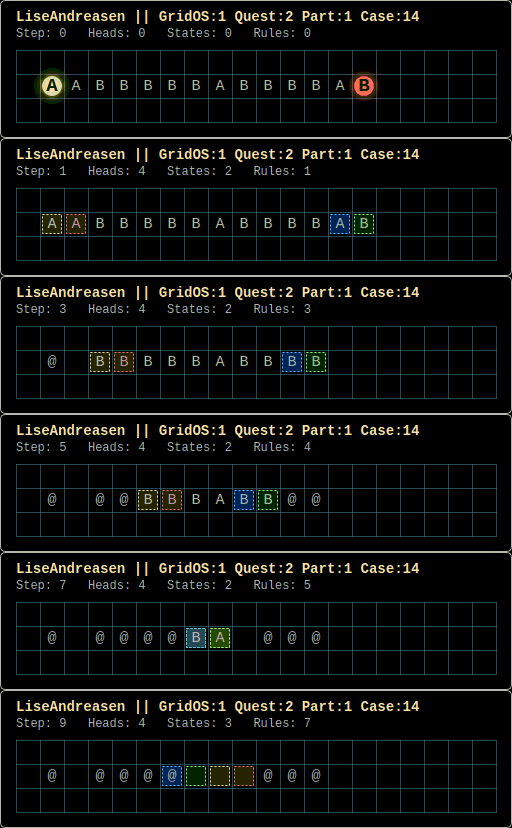
Part 1 uses less steps if it comes from both ends at once. Like with quest 1, this requires more states.
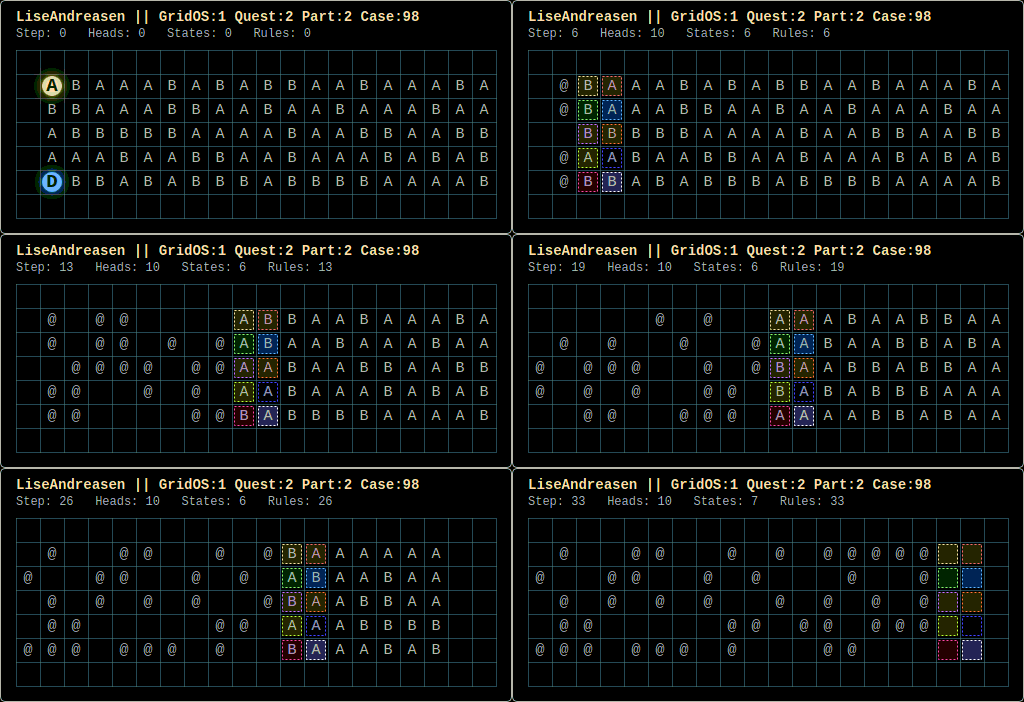
Part 2. Oh, part 2. Several things going on here. (1) There are at most 5 lines. So I can do the 2 heads looking at a pair trick for all 5 lines at once with 10 heads. But. (2) Now there are 45 different combinations to account for in the rules. Enter generated code. Once I figured out this was the way to do it, I used a PHP program of 52 lines to write a GridOS program of 1379 lines. (Including comments and blank lines.)
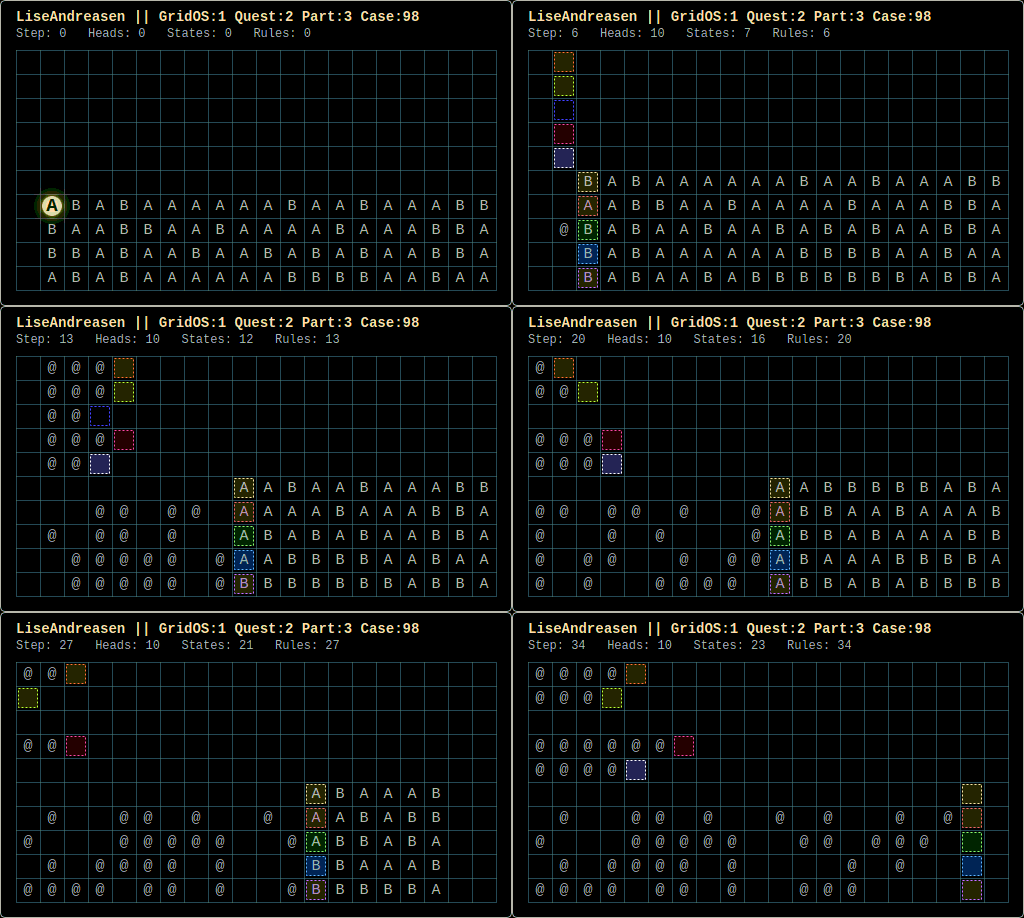
Part 3 is part 2, but more. I still use 5 heads to look at the lines, but then use states to remember the previous characters. Then I use 5 more heads to write @ in certain situations. If I remember correctly, the first 5 heads always write @, when there’s a vertical pair. (So 5 lines are reduced to 4.) This one actually looks kind of pretty:
 .
.
