#ThisWeeksFiddler, 20241025

This week the question is: Can You Solve the Tricky Mathematical Treat?

It’s Halloween time! While trick-or-treating, you encounter a mysterious house in your neighborhood.

You ring the doorbell, and someone dressed as a mathematician answers. (What does a “mathematician” costume look like? Look in the mirror!) They present you with a giant bag from which to pick candy, and inform you that the bag contains exactly three peanut butter cups (your favorite!) [no, it isn’t!], while the rest are individual kernels of candy corn (not your favorite!).

You have absolutely no idea how much candy corn is in the bag—any whole number of kernels (including zero) seems equally possible in this monstrous bag.

You reach in and pull out a candy at random (that is, each piece of candy is equally likely to be picked, whether it’s a peanut butter cup or a kernel of candy corn). You remove your hand from the bag to find that you’ve picked a peanut butter cup. Huzzah! [Yuck!]

You reach in again and pull a second candy at random. It’s another peanut butter cup! You reach in one last time and pull a third candy at random. It’s the third peanut butter cup! [Triple yuck!]

At this point, whatever is left in the bag is just candy corn. How many candy corn kernels do you expect to be in the bag?

LĂŠs mere: #ThisWeeksFiddler, 20241025

Highlight to reveal (possibly incorrect) solution:

Program. Wikipedia 1 and 2.

Also, I’m still fascinated by the soup bowl last week. Here’s a video!
#ThisWeeksFiddler, 20241018

This week the question is: Can You Make the Biggest Bread Bowl?

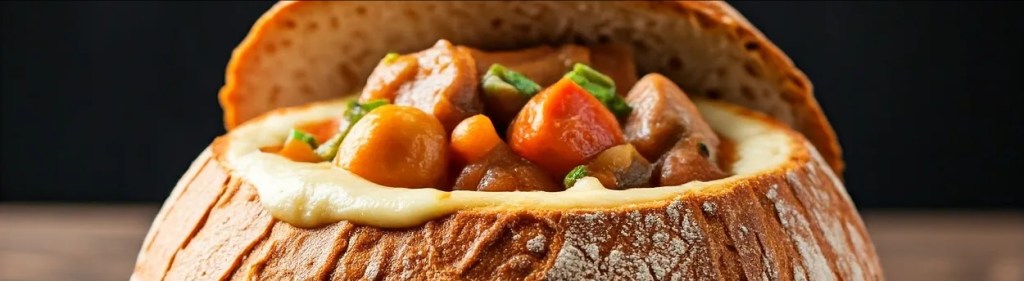
I have a large, hemispherical piece of bread with a radius of 1 foot. I make a bread bowl by boring out a cylindrical hole with radius r, centered at the top of the hemisphere and extending all the way to the flat bottom crust.

What should the radius of my borehole be to maximize the volume of soup my bread bowl can hold?

And for extra credit:

Instead of a hemisphere, now suppose my bread is a sphere with a radius of 1 foot.

Again, I make a bowl by boring out a cylindrical shape with radius r, extending all the way to (but not through) the curved bottom crust of the bread. The central axis of the hole must pass through the center of the sphere.

What should the radius of my borehole be to maximize the volume of soup my bread bowl can hold?

LĂŠs mere: #ThisWeeksFiddler, 20241018

Highlight to reveal (possibly incorrect) solution:

Calculations. WolframAlpha assistance.

And for extra credit:

ETA: I interpret “a cylindrical shape” as being the same as a cylinder. Flat top, flat bottom. Others interpret it differently.

Oktober Dag

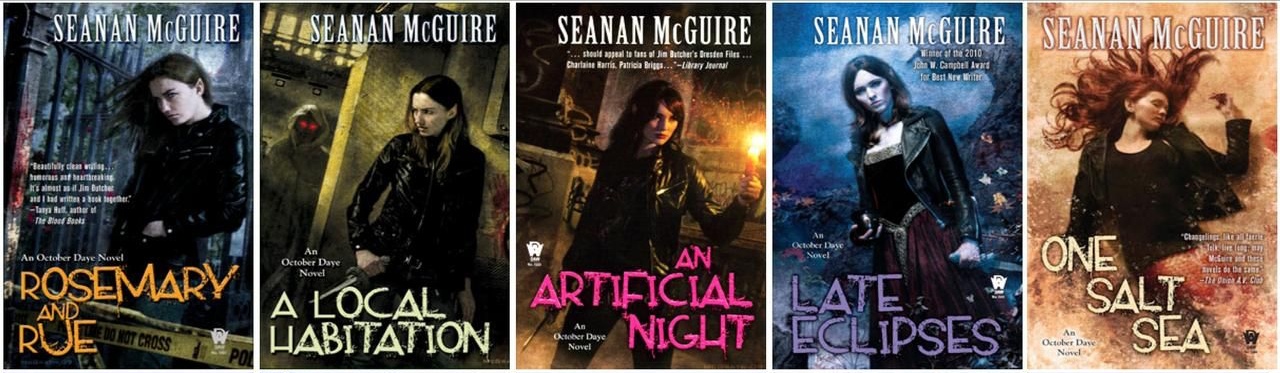
Anmeldelse af October Daye-serien, af Seanan McGuire. Romanserie. 2009-23, forelĂžbig. Hugo-finalist, bedste serie.

IMG_20241014_004841

Skitse: October Daye er ret langt nede. Hendes mor er fae, det var hendes far ikke, sĂ„ hun kan magi, men ikke ret meget, altsĂ„ ser fae i hĂžj grad ned pĂ„ hende, og overfor mennesker kan hun ikke fortĂŠlle alt om sin baggrund. Hun var sĂ„ alligevel ved at fĂ„ gang i noget, mand, barn, hus, job som privatdetektiv. Men sĂ„ blev hun forvandlet til en fisk. I 14 Ă„r. Bagefter opgiver hun (delvis nĂždtvunget) sit tidligere liv og prĂžver at klare sig som ekspedient. Langt fra alt det der magi. Men sĂ„ …

Er det science fiction? Fantasy fra morgen til aften.

Temaer: Henover de 18 bÞger, det er blevet til (der kommer vist 2 til) bliver October (Toby) mere og mere veltilpasset. Hun fÄr det bedre. I starten er hun en ret god privatdetektiv, men hun kaster sig ud i den ene dÞdsensfarlige situation efter den anden, bl.a. fordi hun er lidt ligeglad. Det gÄr delvist over, i takt med at hun fÄr en ny familie.

I Ăžvrigt en noget utraditionel familie.

Hun kÊmper gang pÄ gang mod racisme.

RegelmÊssigt viser det sig, at person A i virkeligheden er person B, eller at person C, en ven, faktisk er en fjende, eller omvendt. Og eftersom nogle af de her personer er store kanoner (konger og dronninger), sÄ bliver det hele ogsÄ mere og mere vigtigt. Som at opdage, at naboen i virkeligheden er Thor, og at kun jeg kan redde hans liv.

Er det godt? Ja. Jeg er nogle gange ved at fĂ„ pip af stilen, der bruger aaaaalt for mange ord efter min smag. Men jeg har hĂŠngt pĂ„, mere og mere, fordi det er spĂŠndende. Hvem har gjort hvad? Hvordan fĂ„r Toby lĂžst det den her gang? đŸ‘œđŸ‘œđŸ‘œ

Note: Udover den her serie, der altsÄ var Hugo-finalist, har jeg i den her omgang kun lÊst en af de andre serier systematisk, som beskrevet i Et vidunderligt lys osv. Glemte i den forbindelse, at Toby ogsÄ var finalist.

Jeg har lÞbende lavet mini-anmeldelser af bÞgerne. Det har taget mig et Ärs tid at lÊse dem.

En by pĂ„ Mars

Anmeldelse af A City on Mars: Can We Settle Space, Should We Settle Space, and Have We Really Thought This Through?, af Kelly & Zach Weinersmith. Fagbog. 2023. Hugo-finalist, best related.

Version 1.0.0

Skitse: Hvis man kigger pĂ„ emnet “at bygge en koloni pĂ„ Mars” og andre nĂŠrliggende emner, sĂ„ er der en masse underemner. Der er noget med teknologi, ja, og noget med medicin. Men der er fx ogsĂ„ noget med lovgivning. Lad os tage et grundigt kig pĂ„ det vigtigste!

Er det science fiction? Nej, det er en fagbog.

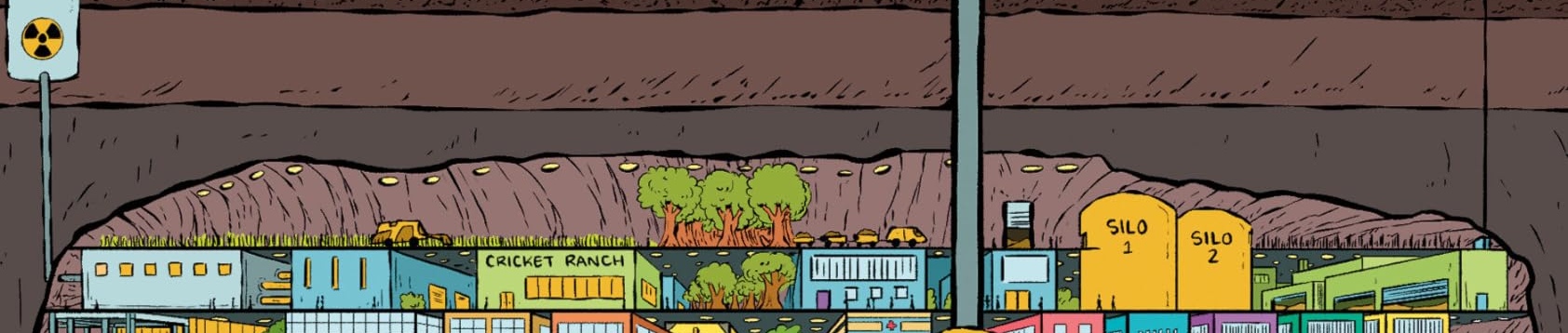
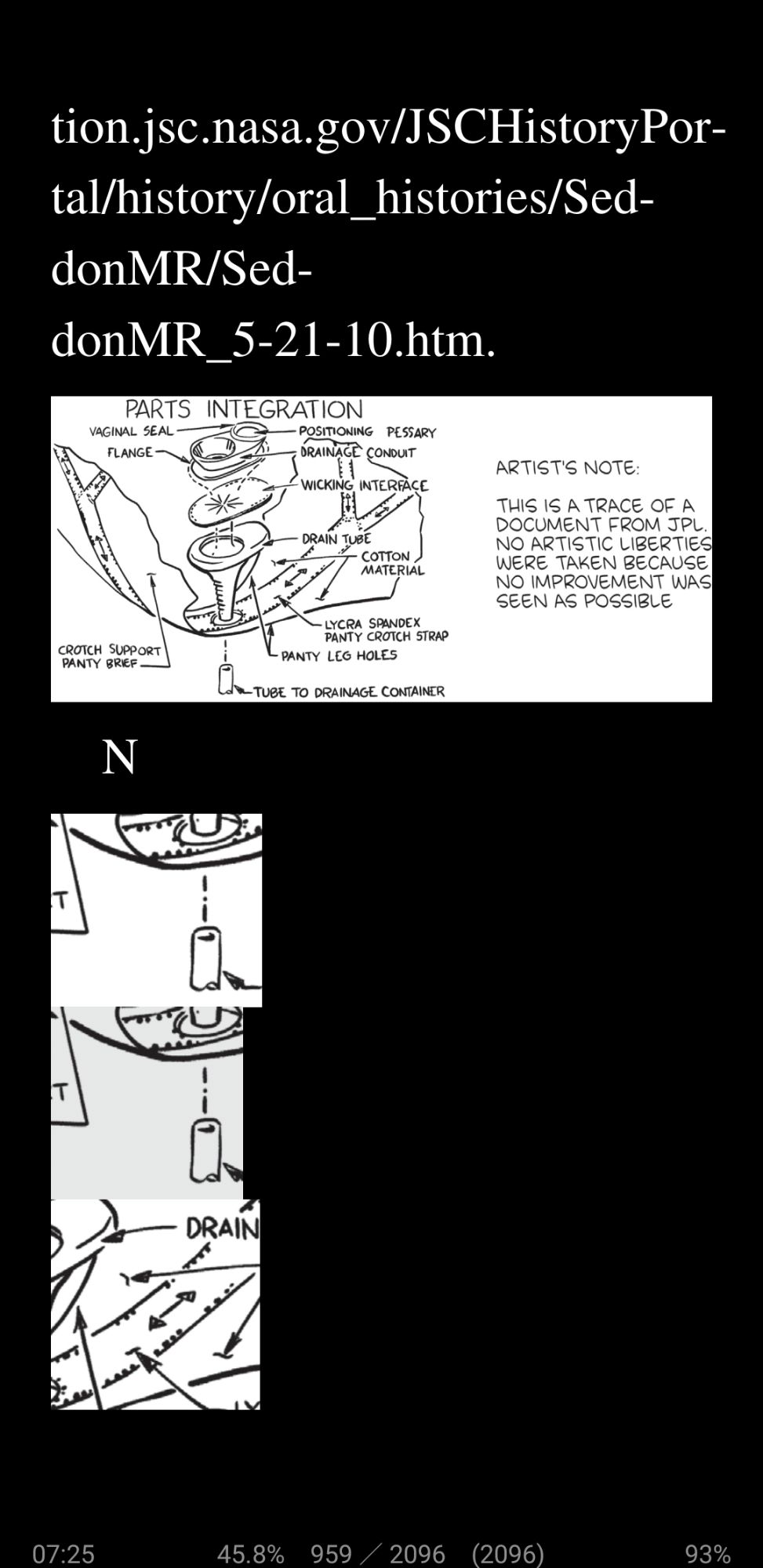
Temaer: Formen er sjov. Snurrige formuleringer og deciderede vittigheder. UĂŠrbĂždige tegninger. Anekdoter. Og det er en god ting. Vi vil jo godt have folk til at lĂŠse den her bog. Det var i hvert fald en rigtig god ting for mig. Det er lĂŠnge siden, jeg kvĂŠrnede den her type fagbog.

Det hjÊlper ogsÄ pÄ, at hovedbudskabet er, nej, vi kan ikke det her endnu, og vi bÞr ikke prÞve. Worst case fÄr Enol Muks sendt en million mennesker til Mars, der prompte dÞr.

Det er pudsigt, at min sf-radar hele tiden slÄr ud. Der er rigtig mange historier, der tager fat i nogle af de her emner, mere eller mindre korrekt.

Er det godt? I sidste ende ikke godt nok til sĂ„dan en som mig. Der er masser af tankevĂŠkkende stof og sjove indslag, men det var stadig svĂŠrt at komme igennem det hele. đŸ‘œđŸ‘œđŸ’€

Note: Det her er den eneste finalist i den her kategori, jeg rigtig har gidet se pÄ i sin helhed. (Omend jeg nok ogsÄ vil skÊve til en af de andre, en samling af anmeldelser.) Den vandt i Þvrigt.

Jeg lĂŠste bogen som en pdf, der til tider blev konverteret til noget sĂŠrt.

#ThisWeeksFiddler, 20241011

This week the question is: Will You Top the Leaderboard?

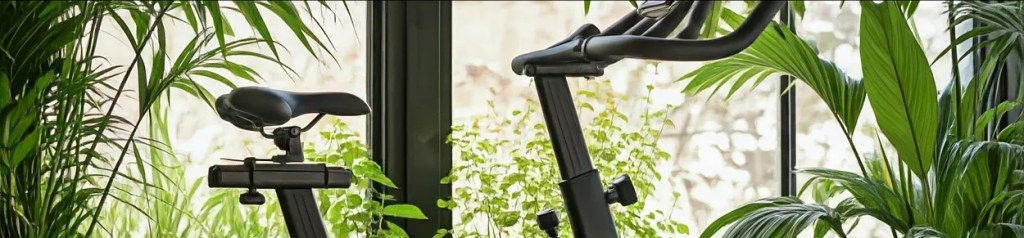
You’re doing a 30-minute workout on your stationary bike. There’s a live leaderboard that tracks your progress, along with the progress of everyone else who is currently riding, measured in units of energy called kilojoules. (For reference, one kilojoule is 1000 Watt-seconds.) Once someone completes their ride, they are removed from the leaderboard.

Suppose many riders are doing the 30-minute workout right now, and that they all begin at random times, with many starting before you and many starting after. Further suppose that they are burning kilojoules at different constant rates (i.e., everyone is riding at constant power) that are uniformly distributed between 0 and 200 Watts.

Halfway through (i.e., 15 minutes into) your workout, you notice that you’re exactly halfway up the leaderboard. How far up the leaderboard can you expect to be as you’re finishing your workout?

As an added bonus problem (though not quite Extra Credit), what’s the highest up the leaderboard you could expect to be 15 minutes into your workout?

And for extra credit:

Again, suppose there are many riders starting their 30-minute workouts at random times, and that their powers are uniformly distributed between 0 and 200 Watts. Now, suppose you decide that you too will be pedaling with a random (but constant) power between 0 and 200 Watts.

If you look down at the leaderboard at a random time during this random workout, how far up the leaderboard can you expect to be, on average?

LĂŠs mere: #ThisWeeksFiddler, 20241011

Highlight to reveal (possibly incorrect) solution:

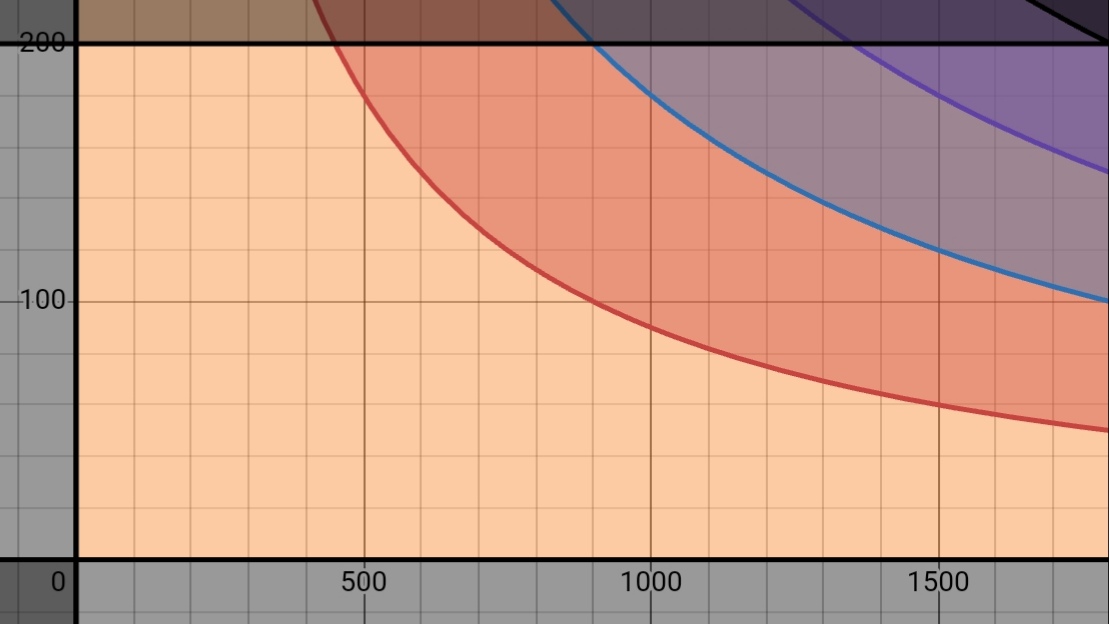
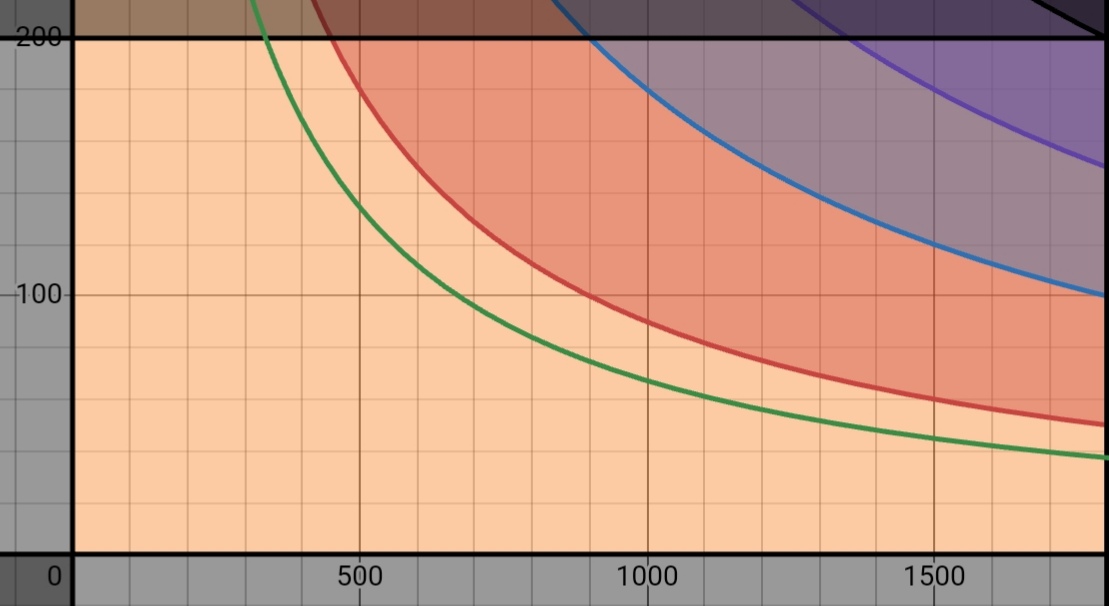
Plot 1 and 2. Calculations. Program.

So, I’m not doing any more of this fiddler. I’m not in love with probabilities.

Bonus question:

And for extra credit:

And I am not too sure about those extra bits. ETA: My program says something else. Sigh.

#ThisWeeksFiddler, 20241004

This week the question is: How Many Dice Can You Roll the Same?

… To get started, you roll all 10 dice—whichever number comes up most frequently becomes your target number. In the event multiple numbers come up most frequently, you can choose your target number from among them. At this point, you put aside all the dice that came up with your target number. …

Now, consider a simplified version of the game in which you begin with three total dice (call it “THREEZI”).

On average, how many dice will you put aside after first rolling all three?

And for extra credit:

Let’s return to the original game of TENZI, which has 10 dice.

On average, how many dice will you put aside after first rolling all 10? (What if, instead of 10 dice, you have N dice?)

LĂŠs mere: #ThisWeeksFiddler, 20241004

Highlight to reveal (possibly incorrect) solution:

Program.

And for extra credit:

Program 1 and 2.

Science fiction predictions XXIV

Exploring Creativity with Ursula K. Le Guin: (22:40)

“People say science fiction is about the future. Most science fiction isn’t about the future. It’s simply a sort of alternative world, and it’s not a serious prediction. There are some people in science fiction who say they are predicting what they think’s going to happen, but most of us don’t. We are simply saying: What if the world went this way? What if this happened? And you’re not supposed to take it seriously as prediction.”