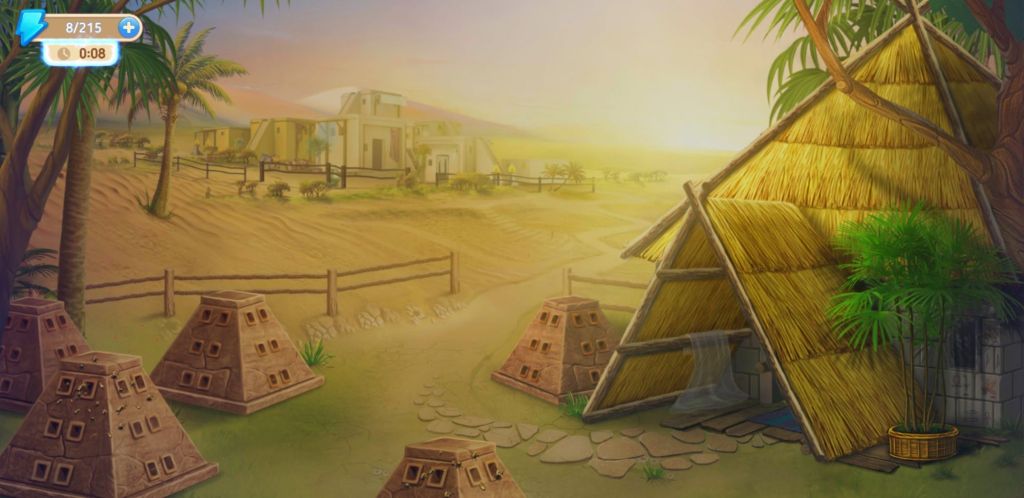
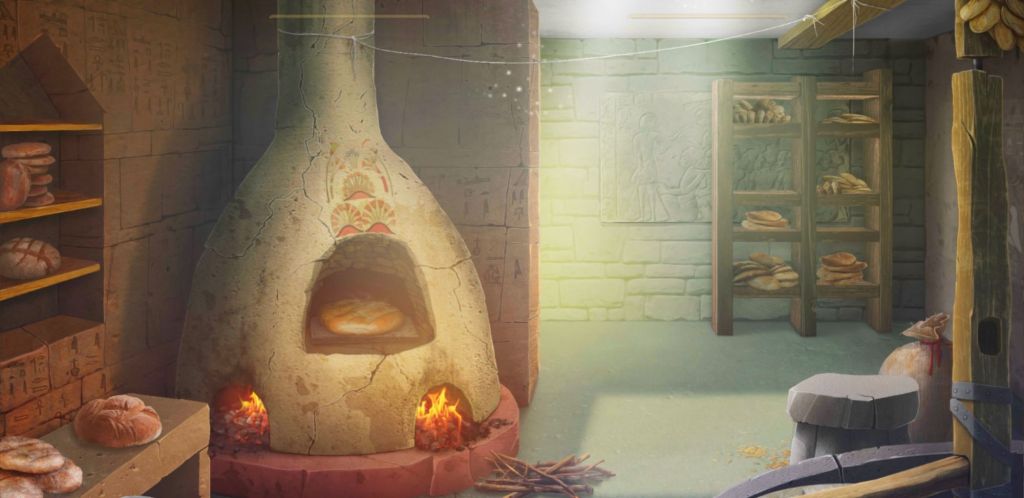
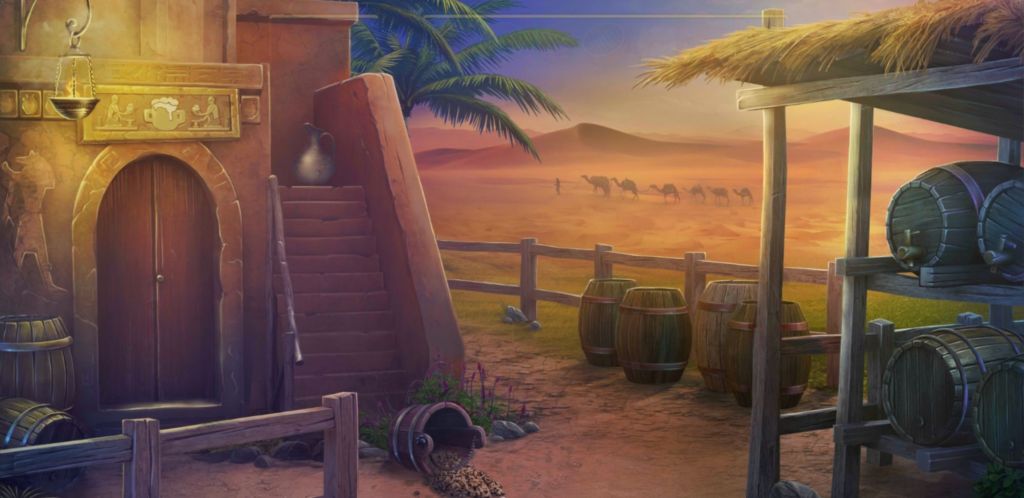
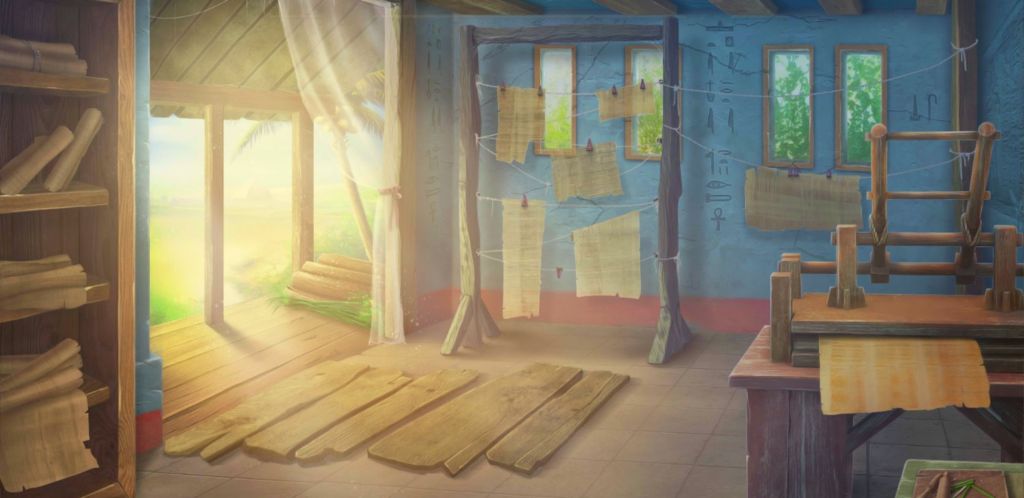
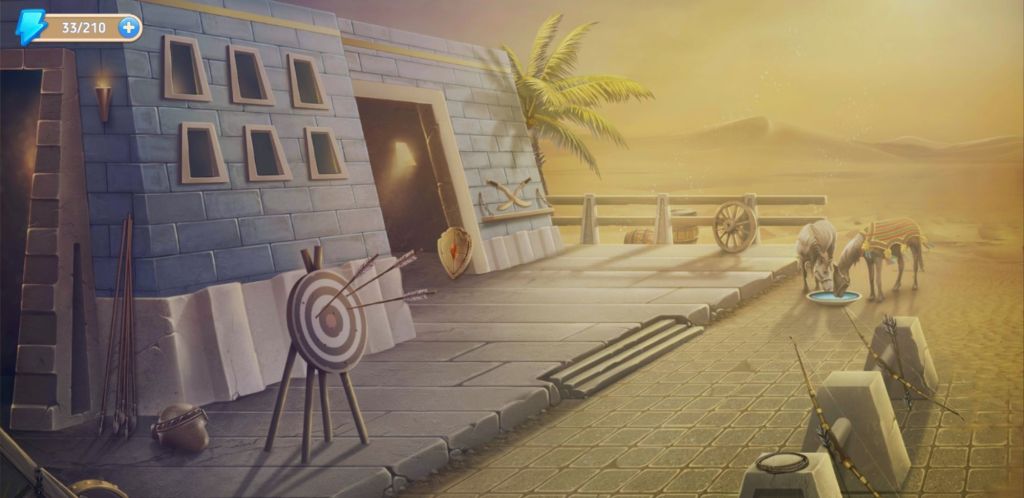
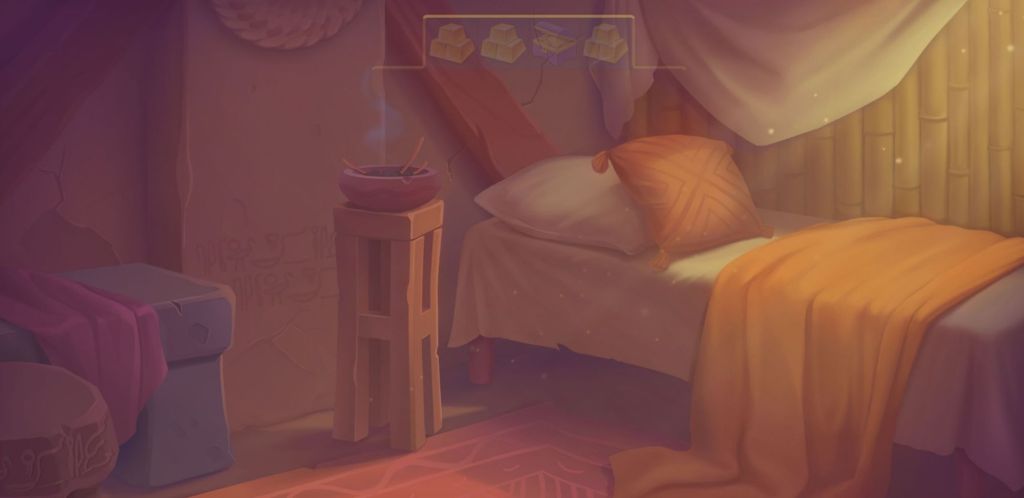
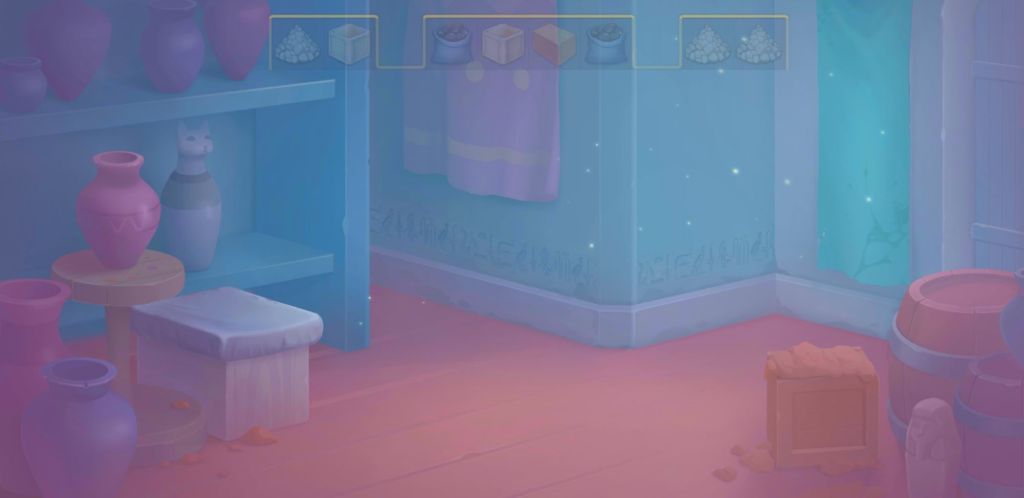
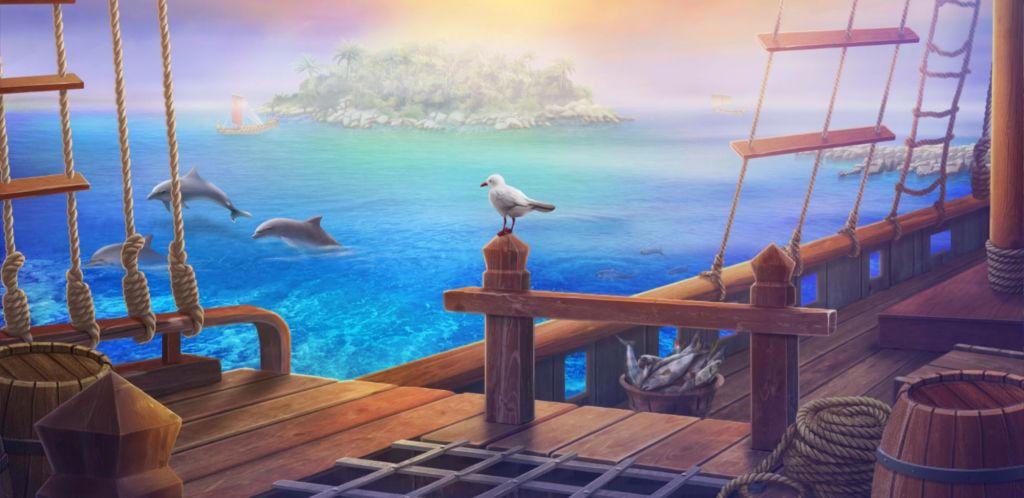
Yes, I had some negative stuff to say about Cradle of Empires. But there’s also positive points. Like, would you look at these background. That usually aren’t on the screen very long.
You and a friend each have a standard deck with 52 cards. You thoroughly shuffle your deck, while your friend thoroughly shuffles theirs. Then, you both draw cards one at a time. If the first card you draw is the same as the first card your friend draws, you lose! Otherwise, you draw again. If the next card you draw is the same as the next card your friend draws, you lose! Otherwise … and so on.
If the two of you can make it through your entire decks without ever drawing the same card at the same time, you both win. Otherwise, you both lose.
What is the probability that you and your friend will win this collaborative game?
I wrote a program to simulate the situation, at least with a deck with 2-9 cards. I reduce to a situation, where deck 1 is simply n numbered cards, going from 1 to n. Then I go through all the permutations of deck 2. There seems to be convergence. I guess the answer is 36.79%. I have no idea why.
Skitse: Rustem (et arabisk navn?) bor i en landsby, som er del af en mislykket koloni. De skulle slet ikke have været på den her planet, og de skulle ikke have boet under en ustabil sol. Situationen er deprimerende, og nogle af beboerne har, host, fået fornyet interesse for overtro. Og så en aften ser Rustem, der prøver at holde liv i videnskab, et stærkt lys på himlen.
Er det science fiction? Jeps.
Temaer: Sjov med tid! Og med besøgende, der påstår, de har et lille fartøj, der kan navigere på tidsstrømmene.
Rustem har det godt med orden, så det er hårdt at vænne sig til et stykke tid at have noget andet. Og at vænne sig til en Spørgejørgine.
Skitse: Ava er i starten af en lovende karriere som violinist, eller det var hun i hvert fald, indtil hun mistede noget af den ene arm i et biluheld. Forsikringen ville ikke betale, så nu får hun den gode protese, fordi den tidligere ejers enke af sit hjertes godhed har doneret den.
Er det science fiction? Ja.
Temaer: Musik, selvfølgelig. Den tidligere ejer spillede også violin, og det bliver en kamp for Ava at holde fast i hendes egen stil.
Enken presser på. Med den slags stædighed, jeg forbinder med penge. Der er en plan, og uanset hvordan det skal gå til, så vil planen blive ført ud i livet. Hvad Ava skal spille, og hvordan, og hvornår.
Er det godt? Ja. Jeg blev fanget, nærmest med det samme. 👽👽👽
I’m completing a paint-by-number painting, although this one is a little different from any that I’ve seen before. It’s an infinitely long strip of canvas that is 1 cm wide. It’s broken up into adjacent 1 cm-by-1 cm squares, each of which is numbered zero or one, each with a 50 percent chance. The squares are all numbered independently of each other. Every square with a zero I color red, while every square with a one I color blue.
Once I’m done painting, there will be many “clusters” of contiguous red and blue squares. For example, consider the finite strip of canvas below. It contains 10 total squares and seven clusters, which means the average size of a cluster here is approximately 1.43 squares.
Once I’m done painting, what will be the average size of each red or blue cluster?
Before we get to that though, woohoo!
Congratulations to the (randomly selected) winner from last week: 🎻 Lise Andreasen 🎻 from Valby, Copenhagen, Denmark.
Imagine going through the strip. I can ask: Is this square the beginning of a new cluster? If my color is not the same as the color of the preceding square, the answer is yes. Good! Let’s look at this cluster.
What is the color of the next square? If it’s not the same as mine, my cluster is over, it’s 1 square long. This happens with a probability of 50%.
Otherwise we’re still going. Let’s look at the possible square 3. If it’s not the color same as me, my cluster is over, it’s 2 squares long. This happens with a total probability of 25%. (50% chance square 2 was right, 50% chance square 3 was wrong, 50% * 50% = 25%).
Otherwise we’re still going. Let’s look at the possible square 4. If it’s not the same color as me, my cluster is over, it’s 3 squares long. This happens with a total probability of 12.5%.
Skitse: Vores hovedperson er en hund. Siden fornylig en hund, der har ord i hovedet, og synes, at dufte er blevet forkerte. Der er også et nyt sår i hovedet.
Er det science fiction? Ja.
Temaer: Selvfølgelig eksperimentet med at gøre hunden mere menneskelig. Men også: Hvorfor er eksperimentet gjort netop nu? Og er det en god ting?
Er det godt? Tja. Ikke så meget nyt her. 👽👽💀
Note: Locus anbefalede også 3 historier fra Analog, så dem har jeg nu taget hul på.
Skitse: I et miljø, hvor ord stammer fra yoruba og man kan hedde Iya (så det må være noget med Afrika), er Tokunbe ikke helt tilfreds med sine muligheder. Planeten Neptun ligger lige der, men vi kigger ikke engang på den?
Er det science fiction? Ja da.
Temaer: Det tog mig noget tid at få styr på, at der faktisk er tale om vores Neptun. Men så vidt jeg kan se, så er den del af historien: Et stort rumskib, Centaur, med 800 ombord brugte “en generation” på at rejse fra Jorden til Neptun. Efter noget tid brød en gruppe ud og lavede deres eget lille sted, Ibeji. Det er 28 år siden, og nu vil 17-årige Tokunbe tage tilbage til Centaur.
Så er det her med Afrika et tema. Hvorfor har Neptun et navn, der så tydeligt ikke er afrikansk, bliver der fx spurgt.
Og så altså det her med at studere Neptun, måske en dag tage på besøg.
Er det godt? Der er noget interessant her, men også ting, jeg ikke rigtig forstår. Hvad er det egentlig, Tokunbe vil? Og så stopper historien, mere end at den rigtig slutter. 👽👽💀
I have two large pitchers with known volumes: 10 liters (“pitcher A”) and 3 liters (“pitcher B”). They are both initially empty. I can do one of six things with the pitchers:
I can fill pitcher A to the top with water from the sink.
I can fill pitcher B to the top with water from the sink.
I can empty the contents of pitcher A into the sink.
I can empty the contents of pitcher B into the sink.
I can transfer the contents of pitcher A to pitcher B, until pitcher A is empty or pitcher B is filled to the top—whichever comes first.
I can transfer the contents of pitcher B to pitcher A, until pitcher B is empty or pitcher A is filled to the top—whichever comes first.
Every time I do any one of the above six, it counts as a step.
What is the fewest number of steps required until one of the pitchers (either A or B) contains precisely 5 liters of water?
And for extra credit:
Instead of 10 liters and 3 liters, suppose the volumes of the pitchers A and B are now 100 liters and 93 liters, respectively.
Further suppose that the fewest number of steps needed until one of the pitchers (either A or B) contains precisely N liters of water is f(N), where N is a whole number between 1 and 100, inclusive.
What is the maximum value of f(N), and for which value of N does this occur?
Studying the general problem, there are only 2 interesting chains of steps:
Method 1:
Fill the large pitcher from the sink.
While the content of the large pitcher is more than can be added to the small pitcher:
Fill the small pitcher from the large pitcher.
Empty the small pitcher into the sink.
Empty the large pitcher into the small pitcher.
Repeat.
Method 2:
Fill the small pitcher from the sink.
While the content of the small pitcher is less than can be added to the large pitcher:
Empty the small pitcher into the large pitcher.
Fill the small pitcher from the sink.
Fill the large pitcher from the small pitcher.
Empty the large pitcher into the sink.
Empty the small pitcher into the large pitcher.
Repeat.
Converted to our problem, where the goal is to reach 5 liters, it looks like this. The progression is described by noting, how many liters are in each pitcher.
A
B
A
B
0
0
0
0
10
0
0
3
7
3
3
0
7
0
3
3
4
3
6
0
4
0
6
3
1
3
9
0
1
0
9
3
0
1
10
2
10
1
0
2
8
3
2
0
8
0
2
3
5
3
5
0
Both methods need 12 steps, before a 5 occurs. So the answer is 12 steps.
And for extra credit:
The general methods developed above are still valid. Let’s look at the first few steps:
A
B
A
B
0
0
0
0
100
0
0
93
7
93
93
0
7
0
93
93
0
7
100
86
100
7
0
86
14
93
86
0
14
0
86
93
0
14
100
79
100
14
0
79
21
93
79
0
21
0
79
93
0
21
100
72
The general rules here are:
It takes 1 step to reach either 93 or 100.
It takes 2 steps to reach 7, 6 steps to reach 14, 10 steps to reach 21, etc.
It takes 4 steps to reach 86, 8 steps to reach 79, 12 steps to reach 72, etc.
Anmeldelse af “Planetstuck” (gratis), af Sam J. Miller.
Skitse: Han handler med 2 varer: sex og information. De 2 områder lapper pænt over. Lige nu skulle han egentlig holde ferie. Men så falder han over en mønt, der ikke burde kunne lade sig gøre. Blandt alle de mange, mange beboede planeter, så er hans hjemplanet en af dem, der ikke har tilladt besøg i nogle år, fordi “vi gider ikke resten af universet”-partiet har sejret. Så hvordan kan han have en næsten ny tlön i hånden?
Er det science fiction? Ja.
Temaer: Udover det allerede nævnte, så er køn et stort tema. Noget af årsagen til, at han forlod Uqbar, var begrænsningerne. Han tænder på mænd, og det var ikke tilladt.
Er det godt? Ja. Jeg blev overrasket undervejs. 👽👽👽








 Stuff from ommadawn.dk (Lise Andreasen)